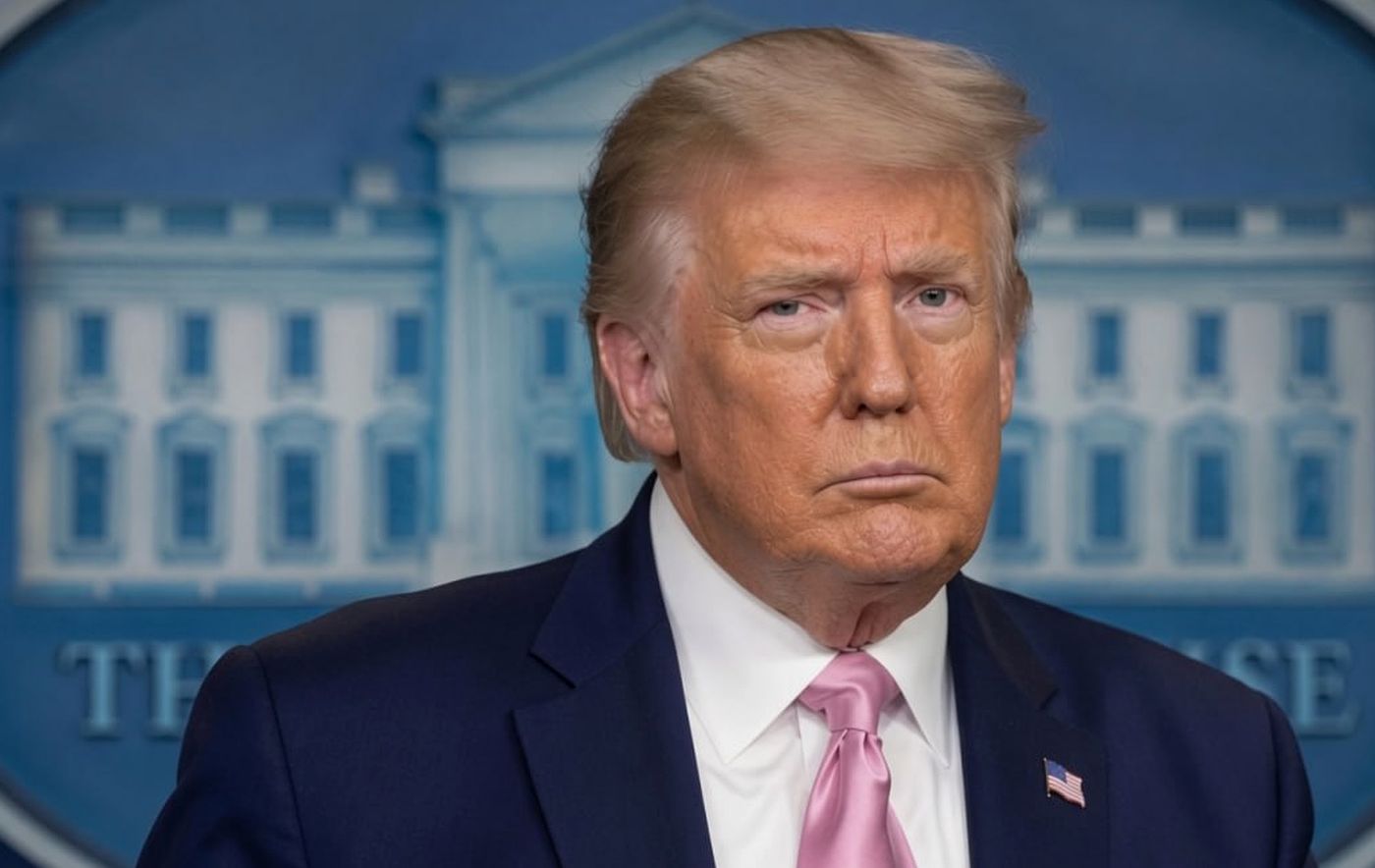
President Donald Trump directed an expanded federal law enforcement initiative in Washington, D.C., to address rising public safety concerns and reduce violent crime within the nation’s capital. The administration defended the federal intervention as a necessary measure to deter criminal activity, strengthen law enforcement enforcement, and improve overall coordination among various agencies operating inside the city limits.
Proponents of the federal presence argue that the increased patrols have successfully restored a sense of security in vulnerable neighborhoods. Many supporters believe the aggressive enforcement approach demonstrates a long-overdue commitment to restoring public order after years of persistent safety issues that local authorities struggled to contain independently.
Conversely, community advocates and civil rights organizations have strongly criticized the expanded federal footprint. Critics contend that the heightened enforcement risks alienating immigrant communities, undermining local accountability, and blurring the lines of authority between federal agents and municipal police departments.
This ongoing federal operation has also reignited complex debates regarding the unique governance structure of Washington, D.C. Because Congress maintains ultimate constitutional authority over the District despite its elected local government, the intervention highlights the delicate balance between federal oversight and local home rule.
Legal scholars and political analysts point out that federal involvement in local policing highlights longstanding tensions over the division of power in the capital. As these operations persist, residents, local officials, and advocacy groups continue to monitor the immediate and long-term impacts.
The unfolding situation moves well beyond basic crime statistics, touching on core questions of constitutional authority and community trust. Ultimately, policymakers face the challenge of balancing effective law enforcement strategies with the vital protection of civil liberties and local governance.